01 — Foundational infrastructure
The Spine
Architecture, identity, trust, permissions, data, security and the shared services a coherent system depends on.
The foundationsA JOWIH Foundation research & engineering programme
We're researching and engineering the digital infrastructure that could help Africa's people, services and institutions work better together.
An emerging programme. An open invitation. A foundation still being engineered.
An idea of what could be possible. Not the infrastructure itself.
01 / The vision
ASTA OS is envisioned as a shared digital infrastructure and orchestration environment—not a conventional desktop or mobile operating system, and not a single consumer product.
The programme explores how people, businesses, governments, institutions and independent developers might connect through secure, authorised interfaces. Participating services should retain their own identity, operations and independence.
Explore the architecture02 / Three connected workstreams
One coherent architecture—researched and refined across three connected disciplines.
01 — Foundational infrastructure
Architecture, identity, trust, permissions, data, security and the shared services a coherent system depends on.
The foundations02 — Interoperability
Protocols, APIs and digital rails that let independent services, institutions and physical systems connect.
The connections03 — Intelligence & orchestration
Search, knowledge, AI and agents that use authorised capabilities and keep people accountable.
The intelligenceThese are charter-defined research workstreams—not claims that these systems are already built. Technical choices, capabilities and performance targets require evidence and validation.
03 / A first-party Super App MVP
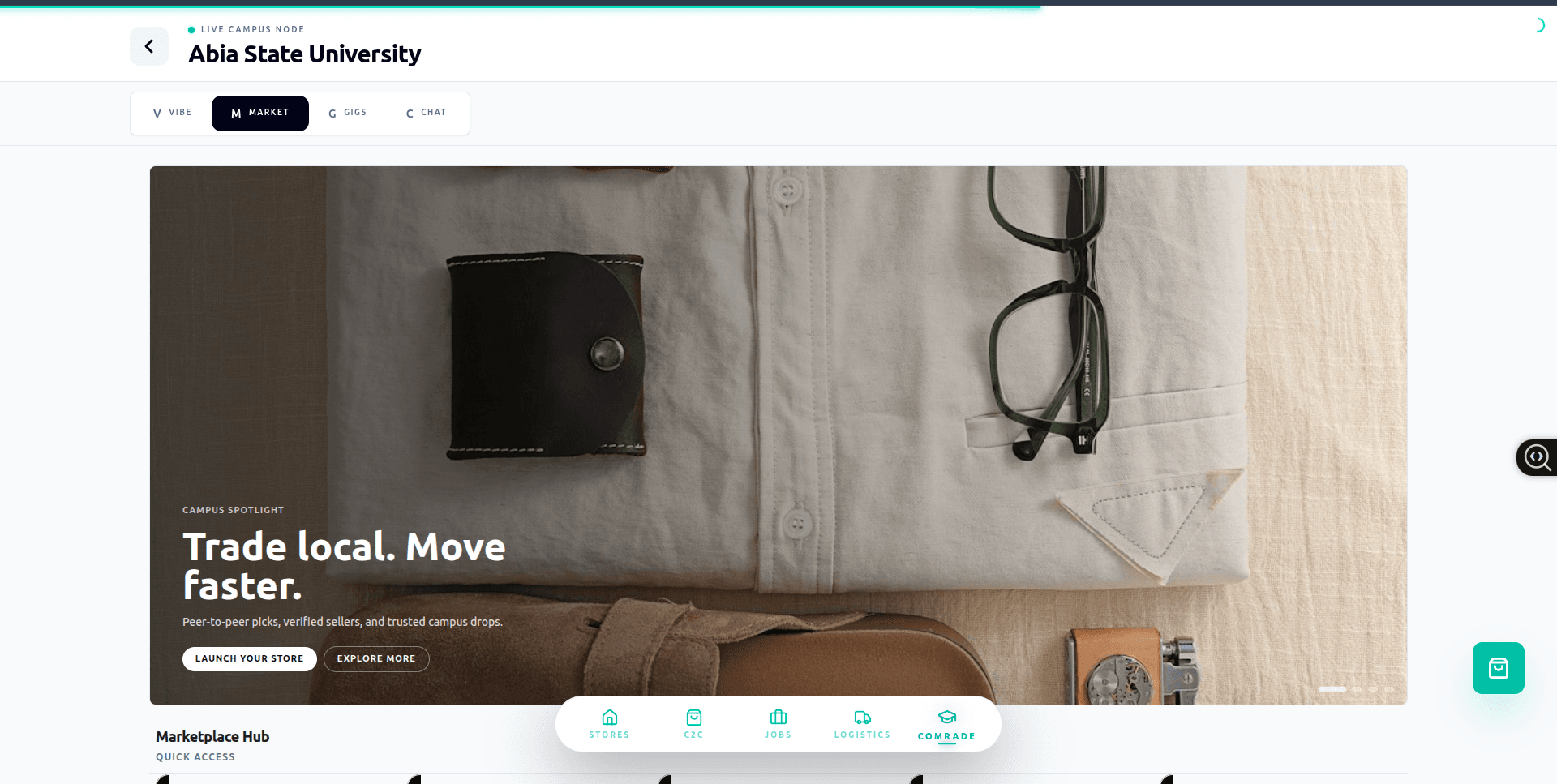
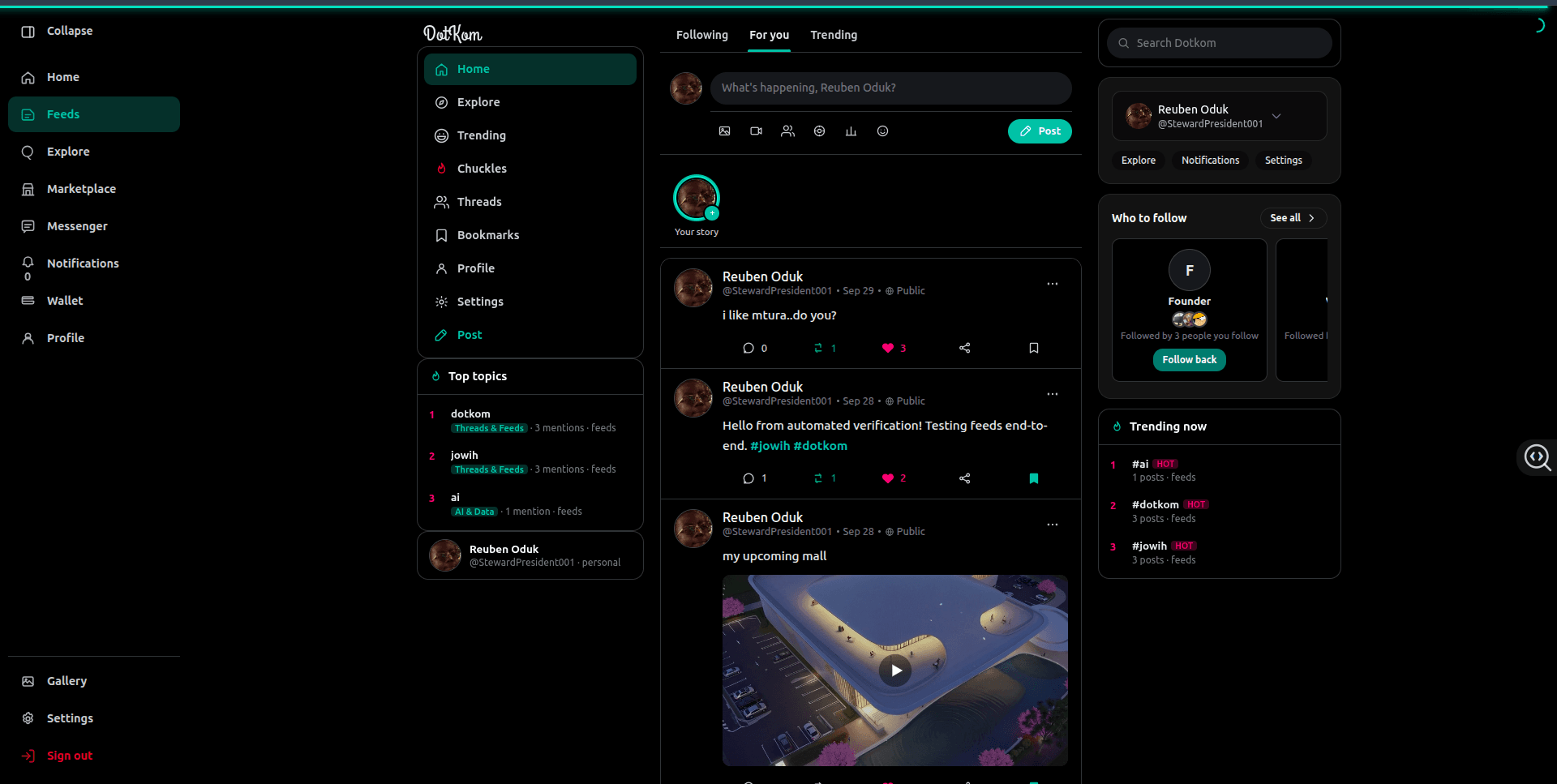
These screenshots are early explorations from the Jowih Super App MVP: a first-party showcase of what connected digital experiences might make possible.
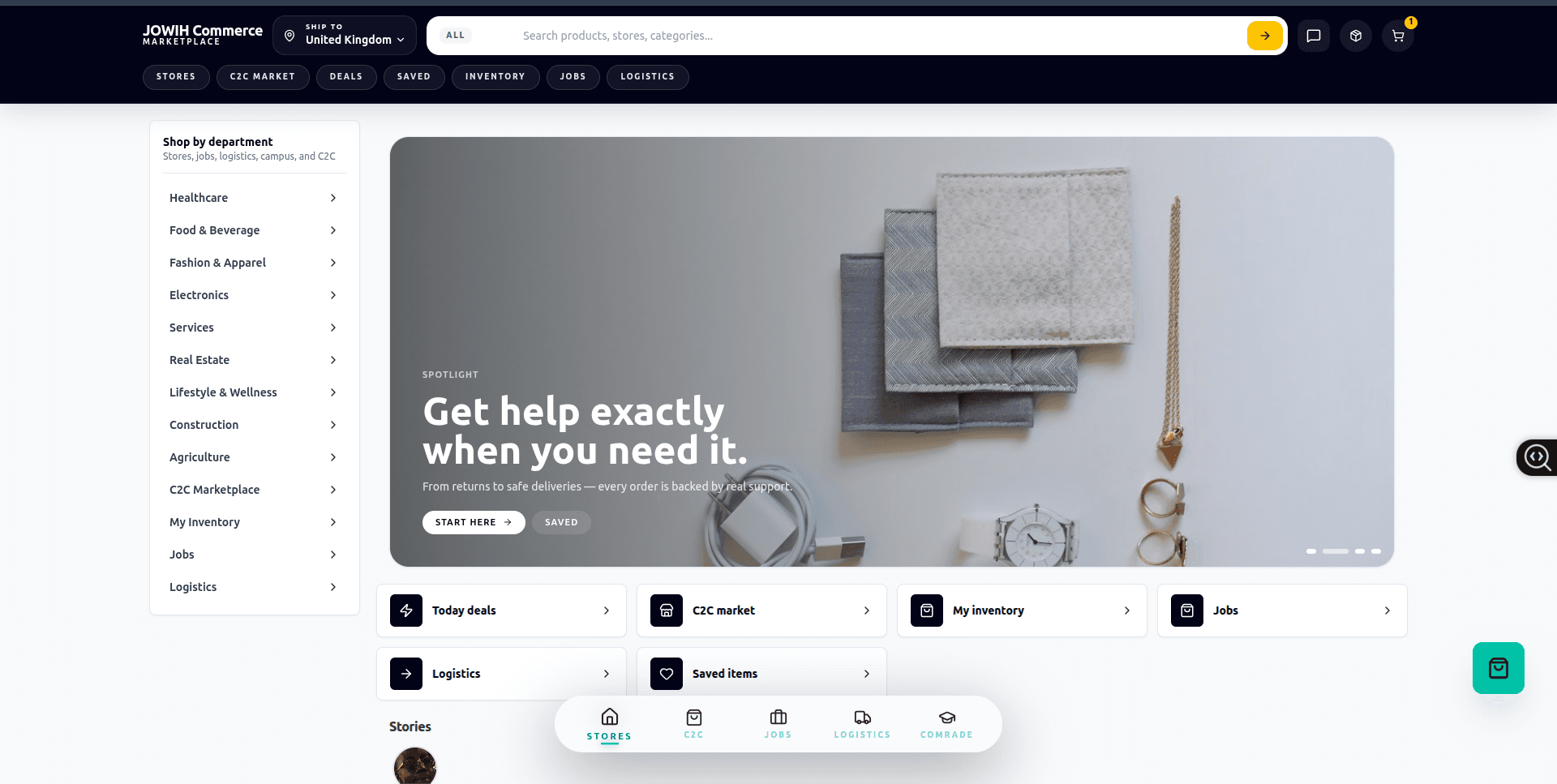
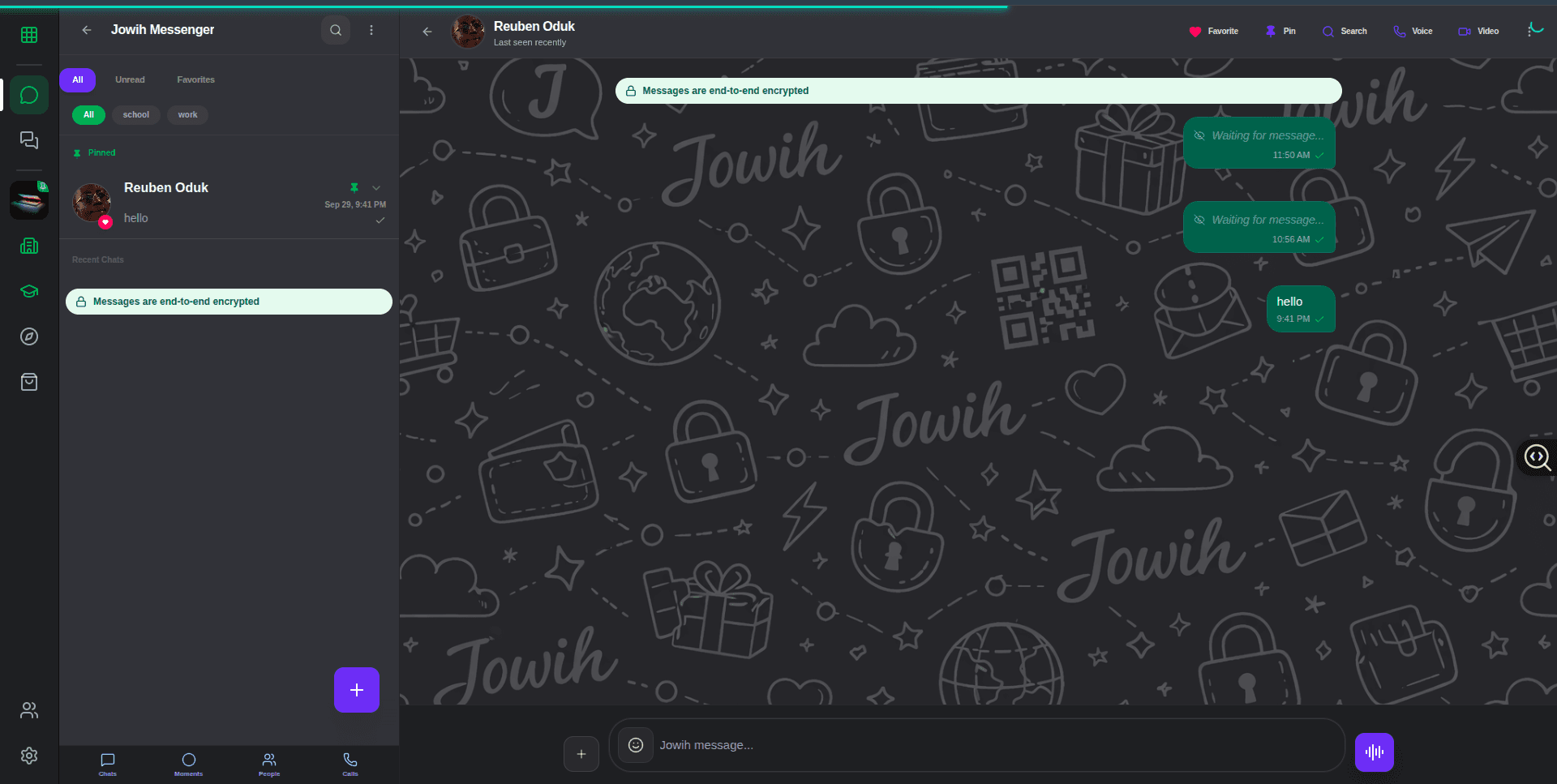
The MVP is not ASTA OS, does not demonstrate ASTA interoperability, and is not the foundation of the programme. ASTA OS is being architected independently. The concept may inform a future first-party application designed to operate on ASTA OS.
04 / A research-led path
The charter's proposed phases guide the work—from defining the problem through verification and engineering readiness. The sequence is a planning hypothesis, not a delivery promise.
Scope, questions, assumptions & community.
Requirements, identity, trust & security.
Core services, data & infrastructure.
APIs, rails & ecosystem connections.
Search, intelligence & agent controls.
System-wide integration & verification.
Tools, testing & an implementation plan.
Controlled engineering against reviewed designs.
Principles, not shortcuts
Security & privacy by design · Least privilege · Independent services · Open interfaces · Evidence before commitment · Human accountability
05 / Open to every discipline
This is not a developers-only project. ASTA's charter calls for disciplines to work together from the beginning.
A dedicated invitation to legal practitioners
Lawyers and legal researchers can help examine intellectual property, open-source licences, privacy, cross-border data, jurisdictional obligations, contributor agreements and governance.
The policies are version 0.1 working drafts—not legal advice, adopted terms or substitutes for review by qualified counsel.
Questions are a good place to start.
06 / Participation with clear boundaries
The proposed integration policy preserves the independent ownership and operation of third-party services unless a separate written agreement says otherwise.
Joining the ecosystem does not by itself grant access to platform data or services. Authorisation, security, privacy and applicable agreements still matter.
Community participation alone does not transfer intellectual property or create a royalty entitlement. Qualifying work and any financial arrangements require separate assessment and properly executed agreements.
07 / Follow the work
The ASTA-OS GitHub organization is the destination for open engineering work and versioned programme documents. As research is reviewed and published, follow the repository for the current version—rather than relying on an outdated copy.
Visit the ASTA-OS organizationBuild the foundations together